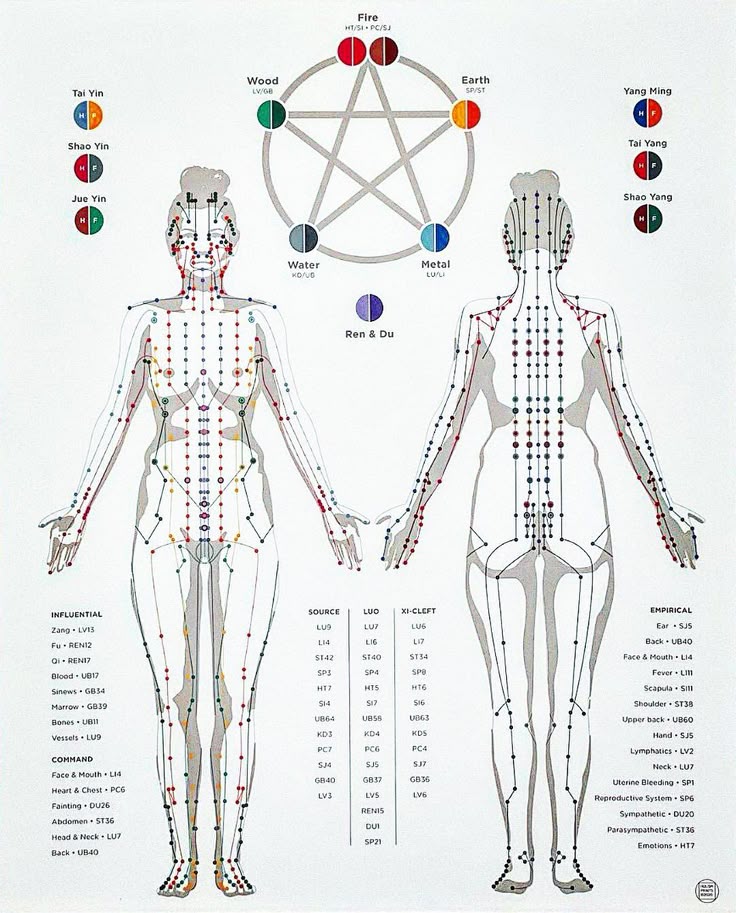
Herb meridian affinity

"Single herb enters single meridian, single herb enters single organ" — in Chinese medicine, each herb has its own designated pathway.

Have you ever noticed that at the foot of a mountain grow shrubs and weeds, halfway up grow pines and cypresses, and at the very top, only moss and lichen remain? On the same mountain, different elevations produce completely different plants. Nature never acts randomly — every plant has its own temperament and territory, and where it belongs has long been predetermined. The wonder of Chinese medicinal herbs lies right here: where they grow determines what they're good at. Nature arranged not only their growth but also their direction and destination when creating them.
Meridian affinity in Chinese medicine

This brings us to a fascinating concept in Chinese medicine called "meridian affinity" (guījīng). Chinese herbs are judged not only by what diseases they treat, but also by which pathway they take inside the body. It's like express delivery — no matter how good the package is, if the address is wrong, it won't arrive. Even if the herb's properties are spot on, if it takes the wrong meridian, it can't reach the disease site. Nature follows a rule: herbs growing in a certain place are skilled at treating ailments of that place.

Climate and origin determine direction

Herbs from higher altitude, colder weather regions — such as aconite, dried ginger, and evodia — are like they're wearing thick padded coats, naturally warm in nature, and specifically travel through the Shaoyin (lesser yin) meridian to drive cold out from the bones. Conversely, herbs from tropical wetlands — like self-heal spike and cogongrass rhizome — are adept at clearing heat and draining dampness, traveling through the Sanjiao and Bladder meridians to expel accumulated toxic heat downward. Old herbalists often say: cold-region herbs treat cold, hot-region herbs treat heat — Heaven has already arranged it all.

Wisdom hidden in herb names

Secrets are also hidden in the names of Chinese herbs. Those with "heaven" (tiān) tend to go upward — gastrodia and asparagus root treat the head and lungs. Those with "earth" (dì) tend to go downward — rehmannia and wolfberry bark treat the kidneys and legs. Those with "branch" (zhī) go to the limbs — mulberry twig specializes in the arms, while cassia twig unblocks the entire meridian system. Those with "root" (gēn) go to the Governing Vessel — kudzu root and reed root can penetrate deep into the spine. Names aren't given casually — there's wisdom behind them.

Form reveals direction

Form also reveals direction. Herbs with "seed" (zǐ) often enter the kidneys — wolfberry seeds, dodder seeds, and schisandra berries, being the plant's essence, specifically supplement kidney essence. Those with "kernel" (rén) often enter the heart — arborvitae kernels and wild jujube kernels, being the "heart" within the seed, nourish heart blood and calm the spirit. Those with "flower" (huā) soothe the liver, release the exterior, and go to the face — roses and chrysanthemums, being ascending and dispersing in nature, specifically travel to the upper burner.

Personal experience reveals pathways

There's also a category determined by personal experience. Some herbs cause throat numbness after ingestion — they likely travel to the throat, which is how belamcanda and tonkin root were discovered. Others cause a sensation of qi moving in the abdomen — they likely regulate qi, which is how immature orange fruit and magnolia bark were identified. When Chinese physicians write a prescription, they adhere to this principle: single herb travels single meridian, single herb enters single organ.


Questions about this?

Jasmine, our front-desk assistant, can answer in seconds — or book you in.

More from the blog

Dr. Louis Jin clinic

Take the First Step Toward Healing

Whether you're dealing with chronic pain, exploring fertility support, or looking for natural alternatives, we're here to help. Schedule a consultation and let's talk about your goals.

(832) 797-7343